Perplexity SEO Strategy: 7 Steps to Rank in Perplexity AI
Traditional search engines display rows of links, but modern answer engines deliver synthesized responses complete with live citations. To capture organic visibility today, content creators must adapt their optimization tactics to target conversational AI algorithms. In this guide, you will learn a proven perplexity seo strategy to increase your brand citations, build digital authority, and dominate AI-driven search results.
Quick Answer: What is a Perplexity SEO Strategy?
A Perplexity SEO strategy is the process of structuring, updating, and citing web content to earn direct link citations in Perplexity AI search results. It focuses on conversational query optimization, authoritative entity associations, structured Q&A formats, and maintaining living documents to maximize overall ai search visibility.
Understanding Perplexity AI and Answer Engine Optimization
Search behavior has shifted dramatically from typing fragmented keywords into a search bar to asking complex, multi-part questions in natural language. Perplexity AI leads this transformation by acting as an answer engine rather than a simple index of links. When a user submits a query, Perplexity retrieves real-time web data, analyzes top sources, and synthesizes a comprehensive response with hyperlinked citations.
This shift requires content marketers to embrace answer engine optimization (AEO). Unlike traditional SEO where the main goal is securing blue link clicks, Perplexity optimization centers on becoming the referenced authority inside synthesized AI summaries. When your domain is cited in a Perplexity answer, users receive direct proof of your expertise and click through to explore your detailed guides.
To succeed at perplexity ai search optimization, you must align your publishing workflow with how large language models collect and summarize information. Combining structured data, authoritative brand mentions, and continuous content updates creates a strong flywheel that keeps your brand top-of-mind for AI models.
Key Perplexity Citation Ranking Factors
Understanding perplexity citation ranking factors is essential before launching new content campaigns. Perplexity does not rely solely on backlink quantity or traditional page rank. Instead, its algorithm prioritizes source credibility, content recency, and structural clarity when assembling answers.
Here are the core factors that influence whether your content gets cited in Perplexity answers:
- Direct Answer Precision: Content that answers specific questions clearly near the top of the section is vastly more likely to be extracted as a citation.
- Information Freshness: Perplexity frequently queries live web indexes. Recently updated pages with new stats or current insights gain a major advantage.
- Third-Party Entity Mentions: Cross-domain consensus matters. If industry platforms and forums reference your brand alongside key topics, Perplexity gains confidence in your authority.
- Semantic Structure: Well-organized headings, clear HTML lists, and schema markup allow AI crawlers to parse complex topics without confusion.
- Source Authority and Trust: Clear author bios, expert citations, and peer-reviewed references signal high E-E-A-T (Experience, Expertise, Authoritativeness, and Trustworthiness).

7 Actionable Steps for Your Perplexity SEO Strategy
Implementing an effective perplexity seo strategy involves systematic execution across content creation, site architecture, and digital PR. Follow these seven concrete steps to position your content for maximum AI search visibility.
1. Target Conversational and Long-Tail Queries
User queries on Perplexity are typically longer and more conversational than traditional Google searches. Instead of searching for “best email software,” users prompt Perplexity with detailed constraints such as “What is the best email software for small e-commerce stores with automated follow-up sequences?”
Conduct keyword research aimed at conversational intent. Look for natural questions asked on community platforms like Reddit or Quora. Organize your content to explicitly state these conversational phrases in H2 and H3 subheadings, followed immediately by direct, authoritative answers.
2. Adopt a Living Document Content Strategy
Static blog posts that sit untouched for years quickly lose ground in answer engine search. Implementing a living document content strategy means maintaining your core pillar guides as dynamic resources that receive regular updates, fresh data points, and new media assets.
When Perplexity sweeps the web for real-time information, pages modified within recent weeks or months receive priority for trending topics. Indicate updated timestamps clearly in your schema markup and page header to signal fresh insights to AI scrapers.

3. Format Content for Direct Answers and Summaries
Perplexity’s synthesis model extracts short snippets to build unified summaries. If your content buries key points under dense narrative fluff, the model may skip your site entirely. Structure every major article section with a concise summary sentence or bulleted list directly underneath the heading.
Aim for paragraph lengths between 40 and 55 words when providing definitions, step-by-step instructions, or direct answers. Bold essential terms and statistical figures to help both human readers and language models spot primary takeaways instantly.
4. Build Off-Page Entity Consensus and Digital PR
AI search models construct knowledge graphs by analyzing relationships between entities across multiple authoritative websites. If Perplexity finds consistent mentions of your brand across industry blogs, news sites, and podcasts, it trusts your domain as an primary source.
Invest in digital PR campaigns, guest publications, and expert commentary opportunities. Ensure your brand name, core products, and target subject areas are consistently linked and referenced across reputable external domains like Search Engine Land and Perplexity AI Official Resources.
5. Leverage Schema Markup and Logical Heading Hierarchy
Structured data acts as a translator between your content and AI systems. Adding Article, FAQPage, and Organization schema markup gives answer engines explicit context about your page topic, author expertise, and direct question-answer pairs.
Combine clean schema implementation with a logical heading structure (H1 for page title, H2 for main divisions, H3 for sub-points). Avoid skipping heading levels, as a structured hierarchy makes parsing seamless for automated crawlers.
6. Integrate AI Workflows into Your Content Production
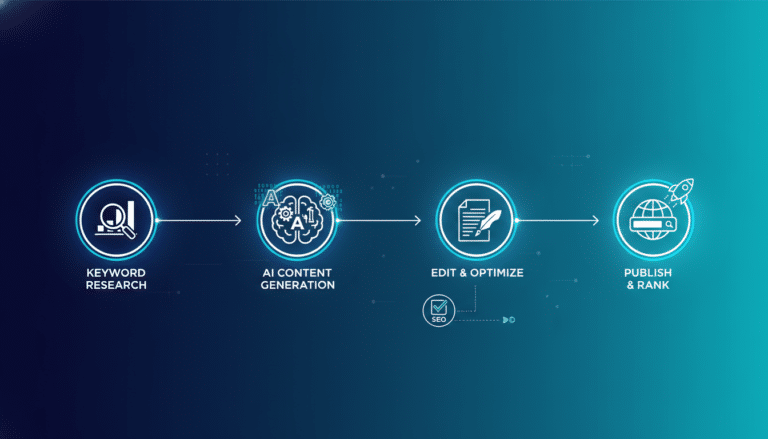
Scaling high-quality content requires streamlined production systems. Building an efficient AI content workflow for SEO enables content teams to research topics, generate structured outlines, and refine draft quality rapidly without sacrificing editorial integrity.
Combine automated research tools with expert human review. As discussed in our guide on how to humanize AI content for search, adding personal insights, unique data, and realistic case studies ensures your published content meets high E-E-A-T standards.
7. Monitor AI Referral Traffic and Citation Share
Tracking performance in answer engine optimization differs from traditional keyword rank tracking. Monitor referral traffic coming from perplexity.ai within Google Analytics to measure visitor engagement and conversions originating from AI answers.
Regularly test your priority keywords inside Perplexity to see which competitors are currently being cited. Analyze their content layout, update frequency, and structural advantages to refine your own ongoing content strategy.
Integrating Answer Engine Optimization with Your Overall SEO
Perplexity SEO should not replace your traditional search engine strategies; rather, it elevates them. Enhancing readability, adding structured data, and maintaining authoritative content benefits both Google crawlers and AI answer engines simultaneously.
To deepen your expertise across emerging search technologies, explore our comprehensive guide on implementing a generative engine optimization strategy. Additionally, when evaluating automated tools, understanding how engines process text is critical, as shown in our research testing AI writing tools against detectors.
Frequently Asked Questions About Perplexity SEO
Below are common questions regarding how to optimize websites for Perplexity AI and answer engine results.
How does Perplexity AI select sources to cite?
Perplexity AI evaluates real-time search index results using retrieval-augmented generation. It selects sources based on direct query relevance, brand authority, information freshness, structured formatting, and cross-domain entity mentions.
Is Perplexity SEO different from traditional Google SEO?
Yes. While traditional Google SEO targets link rankings on search engine result pages, Perplexity SEO focuses on earning direct citations inside synthesized AI answers. Perplexity prioritizes conversational long-tail queries and short direct answers over traditional keyword density.
How often should content be updated for Perplexity optimization?
Updating core content every 60 to 90 days with fresh facts, updated figures, and new industry insights helps maintain high visibility in live Perplexity search results.
Does FAQ schema help in Perplexity AI search rankings?
Yes. Implementing FAQ schema markup helps Perplexity quickly understand exact question-and-answer pairs, increasing the probability that your content will be extracted and cited for related user prompts.
Can AI-generated content rank on Perplexity?
Yes, provided the content is thoroughly fact-checked, structured for readability, and enriched with expert insights. Perplexity rewards accuracy and clear formatting regardless of content authoring tools.
Conclusion: Build Your Perplexity AI Visibility Today
Answer engines are reshaping digital marketing and content discovery. By crafting clear answers, maintaining living documents, and structuring your site for AI readability, your business can secure valuable citations and drive highly engaged traffic from Perplexity AI.
Ready to supercharge your organic growth in the AI search era? Start auditing your top-performing guides today, implement direct answer formatting, and transform your static posts into high-converting AI magnets!