
Generative Engine Optimization Strategy: 7 Step Guide
Search engines are undergoing their biggest transformation in two decades. Traditional blue links are rapidly giving way to direct answers generated by Large Language Models in platforms like Google AI Overviews, ChatGPT Search, Perplexity, and Claude. Building a future-proof digital presence requires a dedicated generative engine optimization strategy to ensure your brand remains visible, cited, and recommended in the age of AI search.
In this comprehensive guide, you will learn how Generative Engine Optimization (GEO) differs from standard search engine optimization, how AI models extract source authority, and seven practical steps to optimize your content for maximum AI search visibility.
Quick Summary: What is Generative Engine Optimization (GEO)?
Generative engine optimization strategy is the practice of structuring, optimizing, and formatting website content so Large Language Models can easily parse, synthesize, and cite it in AI-generated answers. Unlike traditional SEO focused on blue links, GEO focuses on direct citation, semantic authority, and brand placement in generative search answers.
Understanding Generative Engine Optimization vs SEO
When evaluating generative engine optimization vs SEO, it helps to understand how the underlying discovery mechanics operate. Traditional search engines crawl web pages, build inverted keyword indexes, and rank pages using link popularity algorithms like PageRank. Searchers click organic links to visit external websites.
Generative search engines operate differently. AI systems retrieve top information from search indices or real-time web browsing, summarize facts across multiple domains, and synthesize a single comprehensive response. Users often get their complete answer directly within the chat interface without clicking external links unless they require deeper verification or transactions.
Key differences between classic SEO and GEO include:
- Primary Objective: SEO targets rank position #1 on search result pages. GEO targets inclusion as a cited reference inside AI answers.
- Content Structuring: SEO optimizes for target keywords and meta tags. GEO optimizes for semantic clarity, statistics, direct quotations, and structured schema.
- Authority Signals: SEO relies heavily on backlink profile strength. GEO prioritizes brand mentions across diverse authoritative platforms, expert authorship, and entity relationships.
- Measurement Metrics: SEO measures organic clicks and keyword rankings. GEO tracks brand citation frequency, share of voice in AI summaries, and referral traffic quality.
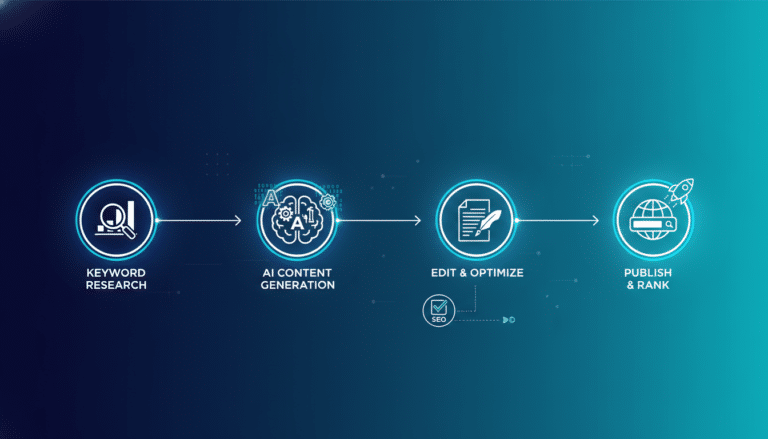
To succeed in today’s search landscape, combining traditional optimization with a modern AI content workflow for SEO ensures your content reaches readers across both classic SERPs and generative engines.
7 Steps for an Effective Generative Engine Optimization Strategy
Implementing a successful strategy requires refining how you research, format, and publish information. Here are seven actionable steps to optimize content for AI search platforms like Google AI Overviews and ChatGPT.
1. Incorporate Unique Data, Quotes, and Statistics
Large Language Models prioritize original insights over generic commentary. Studies published by research groups analyzing generative engines confirm that articles including concrete statistics, expert quotes, and proprietary data receive up to 30% higher citation rates in generative summaries.
When writing articles, include explicit figures, methodology notes, and clear source references. Instead of writing general statements, provide verified numbers and specific case studies that AI models can extract as trustworthy facts.
2. Implement Direct, Concise Answer Blocks
Generative engines look for concise explanations that directly answer specific questions. Place short, clear summaries (40 to 60 words) immediately beneath main heading topics. This structure mirrors Google Search Central AI Optimization Guide principles, making it easy for generative algorithms to select your response for snapshot summaries.
3. Structure Content with Clear Semantic Hierarchy
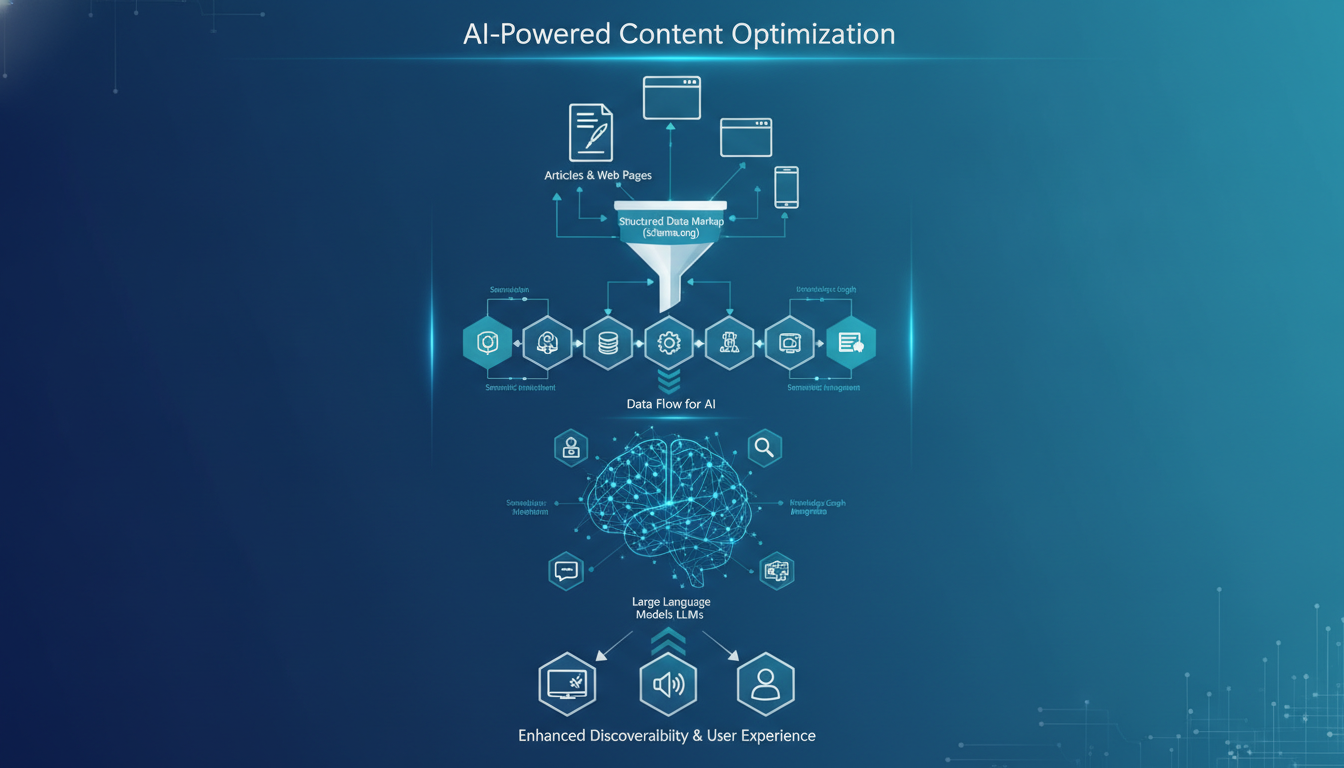
Artificial intelligence models parse content by identifying entity relationships and logical flow. Use proper HTML heading tags (H2, H3, H4) with clear descriptive names. Break long paragraphs into short blocks of two to four sentences, and use bullet points or ordered lists whenever presenting multi-step instructions.
4. Demonstrate High Experience, Expertise, Authoritativeness, and Trustworthiness (E-E-A-T)
AI models are trained to avoid hallucinating false statements by favoring content produced by recognized industry authorities. Publish detailed author biographies, link to published credentials, and cite authoritative external references. For further details on refining published output, read our guide on how to humanize AI content for SEO while maintaining strong editorial control.
5. Optimize for Natural Language and Conversational Queries
Searchers interact with generative engines using full conversational questions rather than two-word keyword phrases. Optimize your content around long-tail user queries such as “how to improve website visibility in AI search answers” or “what are the top GEO best practices for bloggers.”
6. Leverage Structured Schema Data
Schema markup gives search engines clear machine-readable context about your web page. Implement relevant Schema types including Article, FAQPage, HowTo, and Product markup. Structured data helps AI engines identify core entities, dates, authors, and step-by-step instructions with absolute precision.
7. Expand Off-Page Brand Authority and Citations
Generative engines look beyond your website to verify facts across the broader web. Mentioning your brand across industry news outlets, podcast interviews, digital publications, and Wikipedia entity references significantly improves your overall LLM search visibility.
Mastering AI Overviews Optimization
Google AI Overviews (formerly Search Generative Experience) appear at the top of organic search results for complex informational queries. Achieving prominent visibility inside these AI boxes requires specific tactical adjustments to your editorial workflow.
For effective AI Overviews optimization, focus on these essential ranking factors:
- Topical Completeness: Cover all subtopics, edge cases, and related questions within a single comprehensive guide so the AI model does not need to consult alternative websites for missing information.
- Flawless Fact Presentation: Use tables, comparison matrices, and clear bulleted lists to present structured comparison data.
- Fast Indexing and Refreshing: Keep key statistics updated regularly. AI algorithms prefer fresh content when summarizing current trends and software reviews.

If you use best AI copywriting software or desktop generators such as AI writing generators like ZimmWriter to draft early outlines, ensure every piece undergoes rigorous human fact-checking and editorial enhancement before publishing.
Key GEO Best Practices for Content Creators
To help you implement these concepts effectively, here is a quick summary table outlining essential GEO best practices and their expected impact on search visibility according to industry insights from the Moz guide on generative engines.
| Optimization Technique | Primary Focus | Impact on AI Search Visibility |
|---|---|---|
| Direct Answer Paragraphs | First 50 words of each major section | High (boosts inclusion in direct AI snapshots) |
| Proprietary Research & Data | Original numbers and case studies | Very High (drives direct source attribution) |
| Schema Markup | FAQPage and Article structured data | High (ensures machine readability) |
| Brand Entity Mentions | Digital PR and external citations | Very High (builds model trust and authority) |
| Conversational Headings | Long-tail question headers | Medium-High (matches conversational voice prompts) |
Frequently Asked Questions (FAQ)
What is generative engine optimization strategy?
A generative engine optimization strategy is a systematic methodology for creating website content that artificial intelligence search engines (such as Google AI Overviews, ChatGPT, and Perplexity) can analyze, extract, and cite as accurate sources in synthesized answers.
How does GEO differ from traditional SEO?
Traditional SEO aims to rank web pages on search results pages to generate direct organic clicks. GEO aims to earn citations and brand mentions inside AI-generated summary answers by emphasizing semantic clarity, structured data, and verifiable source facts.
Will GEO replace traditional SEO entirely?
No, GEO complements traditional SEO rather than replacing it. Generative search engines still rely on search index crawlers and foundational technical SEO to discover and evaluate content authority. A balanced digital strategy incorporates both disciplines.
How can I measure the success of my GEO strategy?
Track your GEO performance by monitoring brand mention frequency inside AI engine prompts, measuring referral traffic from platforms like Perplexity or ChatGPT, analyzing Google Search Console performance for AI Overview impressions, and tracking your overall share of voice for industry topics.
Conclusion and Call to Action
The transition toward artificial intelligence search engines represents a massive opportunity for early adopters. By establishing a forward-thinking generative engine optimization strategy today, you position your brand to dominate search visibility across both traditional SERPs and next-generation AI platforms.
Ready to upgrade your content workflow for the AI era? Explore our latest tutorials on content automation, SEO tactics, and cutting-edge software reviews to build a scalable digital publishing strategy that delivers long-term traffic growth.