How to Optimize for ChatGPT Search: 7 Essential SEO Steps
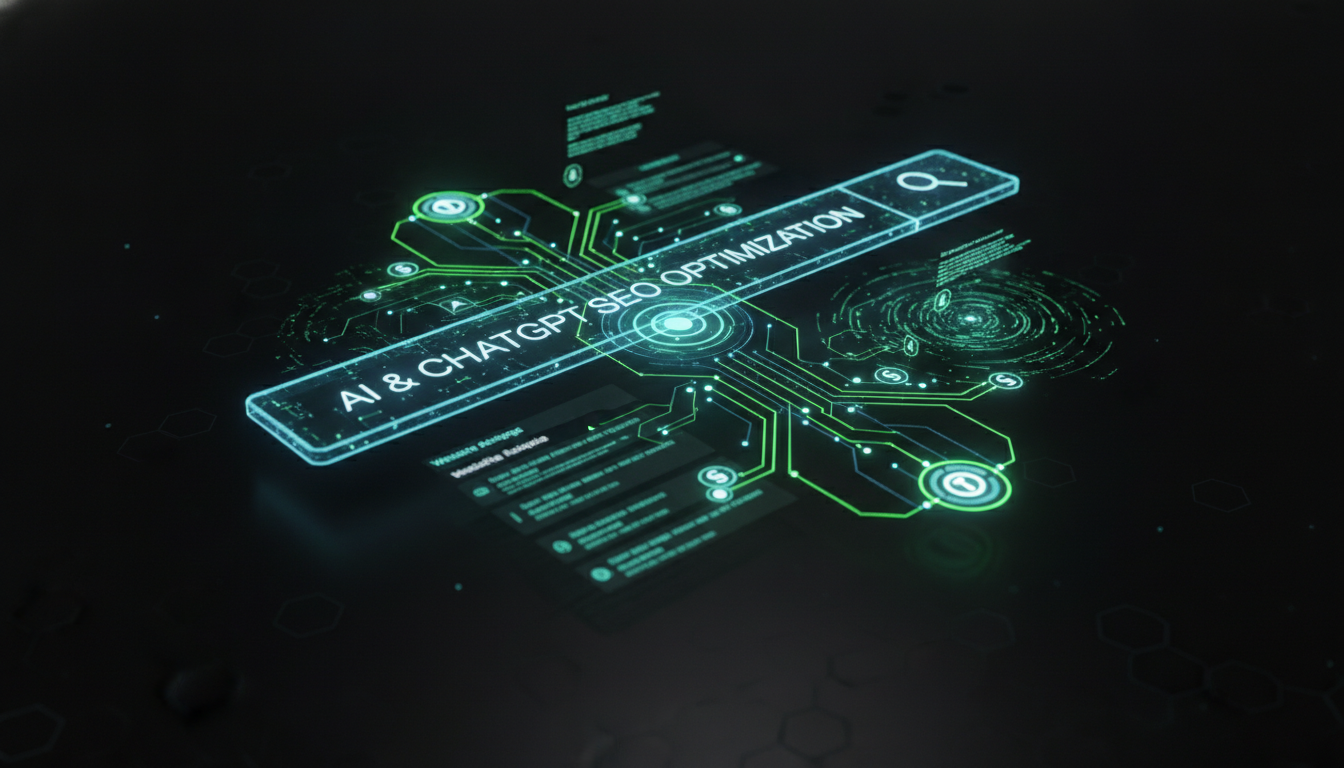
Artificial intelligence is transforming how millions of users search for information online every day. OpenAI’s integration of live web browsing into ChatGPT has turned conversational AI into a primary search destination. If you want your website to stay visible in this new era, you must learn how to optimize for ChatGPT Search and secure direct AI citations.
In this guide, you will learn the exact technical requirements, content strategies, and ranking factors required to earn citations in ChatGPT Search responses. By adapting your digital presence today, you can tap into a rapidly growing source of high-intent referral traffic.
Quick Answer: How to Optimize for ChatGPT Search
To optimize for ChatGPT Search, you must ensure your site is fully indexed by Bing, allow access to OAI-SearchBot in your robots.txt file, structure content with direct 45-to-50 word answer blocks, implement JSON-LD schema markup, and build strong brand entity co-occurrences across authoritative digital publications.
What is ChatGPT Search and How Does It Work?
ChatGPT Search is OpenAI’s live web retrieval engine embedded directly within the ChatGPT interface. Unlike static large language models that rely purely on historical training datasets, ChatGPT Search queries the web in real time to provide up-to-date answers, complete with interactive inline citations and source links.
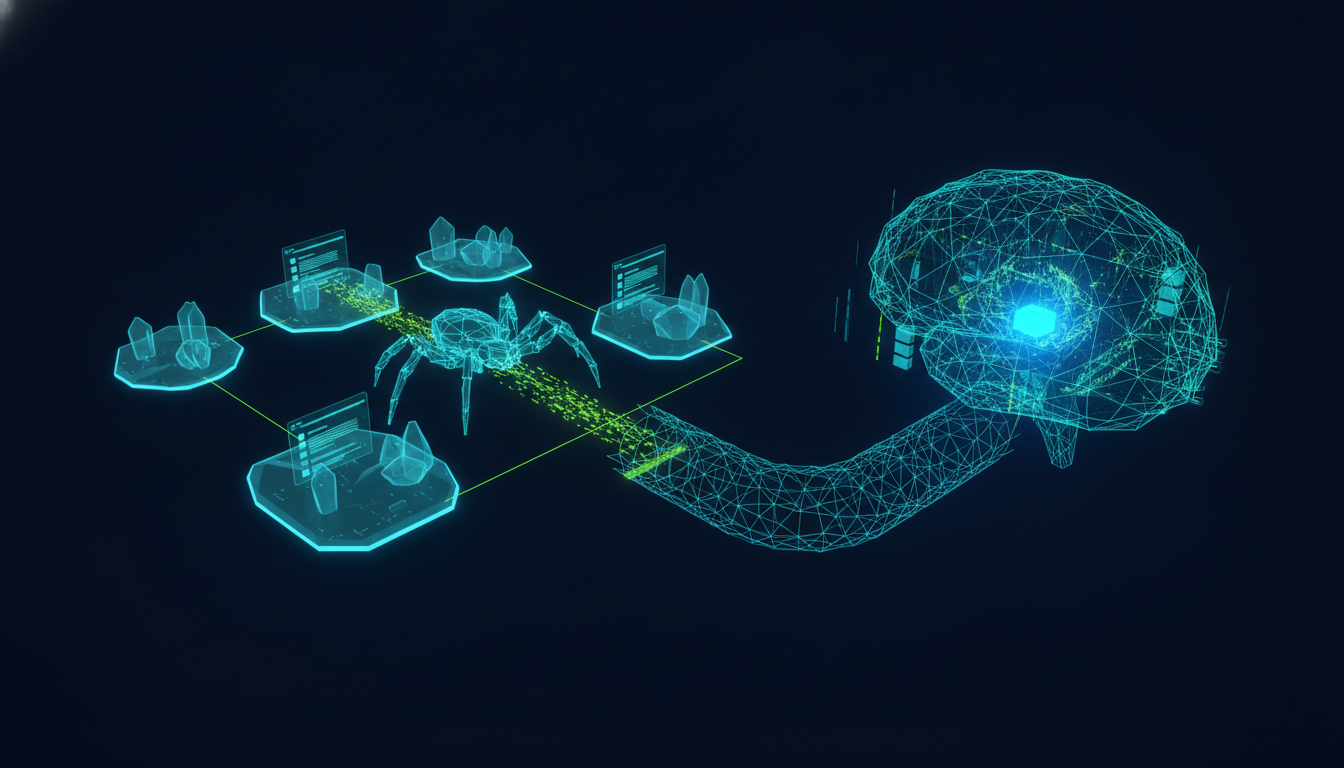
Under the hood, ChatGPT Search relies heavily on Bing’s search index alongside OpenAI’s custom web crawler, OAI-SearchBot. When a user submits a query, the system identifies real-time web results, extracts factual excerpts from relevant pages, and synthesizes a natural language response. You can review the official details on the OpenAI ChatGPT Search announcement page.
Understanding this architecture is crucial because traditional keyword density alone will not guarantee a spot in AI responses. To succeed, marketers must combine classic SEO fundamentals with a comprehensive generative engine optimization strategy that caters to both web crawlers and artificial intelligence summarizers.
Why Traditional SEO Belongs in the ChatGPT Era
Many digital creators worry that generative search will render traditional search engine optimization obsolete. In reality, generative engine optimization builds directly upon established technical and structural SEO principles.
If your website lacks clear site architecture, fast page speed, and indexable text, LLM crawlers cannot extract your insights. Just as with our Google AI Overviews SEO strategy, ranking in ChatGPT requires a strong foundation of technical crawlability, topical authority, and trust signals.
7 Essential Steps to Optimize for ChatGPT Search
To ensure your content is consistently extracted and cited by OpenAI, follow these seven actionable steps.
1. Ensure Technical Crawlability for OAI-SearchBot and Bingbot
Before ChatGPT can cite your website, its web crawlers must be allowed to access your pages. OpenAI uses specific user agents for web crawling and search retrieval:
- OAI-SearchBot: Used specifically for indexing content used in ChatGPT Search responses.
- ChatGPT-User: Used when a user actively triggers a live web lookup during a chat session.
- Bingbot: Microsoft’s primary crawler, which supplies much of the underlying search index.
Check your robots.txt file and web application firewall settings. Ensure you have not accidentally blocked these user agents. If your server returns 403 or 401 status codes to OAI-SearchBot, your content will remain invisible in ChatGPT Search results.
2. Master Bing Indexing and Webmaster Verification
OpenAI maintains a strategic partnership with Microsoft, meaning Bing’s search index powers much of ChatGPT’s real-time retrieval pipeline. If your content is not indexed in Bing, your chances of receiving ChatGPT citations drop dramatically.
Submit your site to Bing Webmaster Tools immediately. Set up automated XML sitemap submission and implement the Bing URL Submission API or IndexNow protocol to ensure new articles are indexed within seconds of publication.
3. Implement Direct Answer Content Blocks
Large language models prioritize pages that answer queries quickly and concisely. When drafting blog posts, adopt an answer-first formatting strategy.
Place a clear, 40 to 55 word summary paragraph directly beneath your target H2 headings. Follow this direct answer with structured bullet points, short lists, or data tables that elaborate on the topic. This structure allows ChatGPT to parse and cite your key takeaways without generating hallucinations.
4. Build Brand Entity Citations Across High-Authority Web Sources
ChatGPT relies on entity recognition to determine which brands and websites are credible sources of truth. The AI measures how often your brand name, domain, and key topic terms appear together across the web.
Focus on earning digital PR mentions, guest contributions, and industry press coverage on high-authority domains. When multiple reputable websites mention your brand alongside your primary topic, ChatGPT recognizes your entity as a trusted authority, boosting your citation frequency.
5. Structure Data with Organization, Article, and FAQ Schema Markup
Structured data helps AI search engines interpret the semantic context of your content. By adding JSON-LD schema markup, you provide machine-readable metadata that explicitly defines your authors, organization, and main content entities.
Essential schema types for ChatGPT optimization include:
- Article / BlogPosting Schema: Defines the headline, author, publication date, and featured images.
- Organization Schema: Establishes your official brand identity, social profiles, and logo.
- FAQPage Schema: Formats question-and-answer pairs for direct extraction by AI answer engines.
6. Focus on High Information Density and Factual Precision
Generative AI models prefer content rich in specific details, original statistics, expert quotes, and concrete facts over generic, repetitive filler. Pages with low information density are frequently passed over during retrieval.
Include proprietary data, unique case studies, step-by-step frameworks, and explicit technical terminology. To ensure your AI content maintains high standards, review our guide to humanize AI content for SEO while preserving depth and factual precision.
7. Align with Conversational User Intent and Long-Tail Queries
Users interact with ChatGPT using natural, conversational language rather than rigid two-word keywords. Instead of searching for “ChatGPT SEO tips,” a user might ask, “How can I get my small business website recommended by ChatGPT?”
Incorporate full questions and long-tail conversational phrasing into your subheadings (H2 and H3 tags). Answer complex questions directly, explaining the underlying reasoning and practical execution steps.

ChatGPT Search Ranking Factors vs Traditional SERPs
While traditional Google SEO prioritizes backlinks and exact-match keyword anchor text, AI search ranking factors focus heavily on semantic relevance and extractability.
| Optimization Factor | Traditional Google SERPs | ChatGPT Search Engine |
|---|---|---|
| Primary Crawling Engine | Googlebot | Bingbot & OAI-SearchBot |
| Content Format Preference | Long-form comprehensive posts | Direct concise answer blocks & tables |
| Trust Signal | Backlink profile & PageRank | Brand entity co-mentions & structured schema |
| Query Matching | Exact and semantic keyword intent | Conversational context & natural language processing |
By comparing these engines, you can see that optimizing for AI search requires diversifying your technical strategy beyond standard backlink building. For a deeper breakdown of comparative AI search algorithms, explore our tailored Perplexity SEO strategy guide.
Frequently Asked Questions (FAQ)
Does ChatGPT Search replace traditional search engines like Google?
ChatGPT Search complements traditional search engines rather than replacing them entirely. While many users now prefer conversational AI for quick answers and synthesized research, traditional search engines remain essential for local queries, transactional shopping, and deep exploration.
How do I check if OAI-SearchBot is crawling my website?
You can check your web server access logs or CDN dashboard (such as Cloudflare) for requests coming from user agents containing OAI-SearchBot or ChatGPT-User. Ensure these user agents receive 200 OK HTTP responses.
Why is Bing indexing so important for ChatGPT Search?
OpenAI utilizes Bing’s index to locate live web information. If your website is missing from Bing’s index, ChatGPT’s retrieval system will fail to discover your content during real-time web searches.
How quickly can a website start getting cited by ChatGPT Search?
If your domain is already indexed in Bing and possesses solid brand authority, implementing clear answer blocks and structured schema can yield ChatGPT citations within days of crawling. New domains may take several weeks to build necessary entity trust signals.
Conclusion and Next Steps
Learning how to optimize for ChatGPT Search is no longer optional for forward-thinking content creators and businesses. By ensuring technical access for OAI-SearchBot, optimizing your Bing presence, formatting content for direct extraction, and utilizing structured schema, you position your brand to win in the AI search landscape.
Audit your top performing pages today to add concise answer boxes and verify your robots.txt settings. To scale your organic reach across all AI platforms, explore our full suite of AI content and SEO guides on DavidRuhm.com.